








Key Takeaways
|
B2B marketplaces are no longer just supplier directories.
They are becoming part of how businesses discover vendors, validate options, manage payments, and reduce buying risk.
That is the real B2B marketplace news in 2026.
The platforms gaining ground are not only improving the front-end buying experience. They are moving deeper into sourcing, procurement, payments, fulfillment, and supplier validation.
For buyers, sellers, and marketplace operators, the question is no longer whether marketplaces matter. It is the parts of the buying process that they are starting to own.
The 12 B2B Marketplace Trends Reshaping 2026: Statistics & Benchmarks
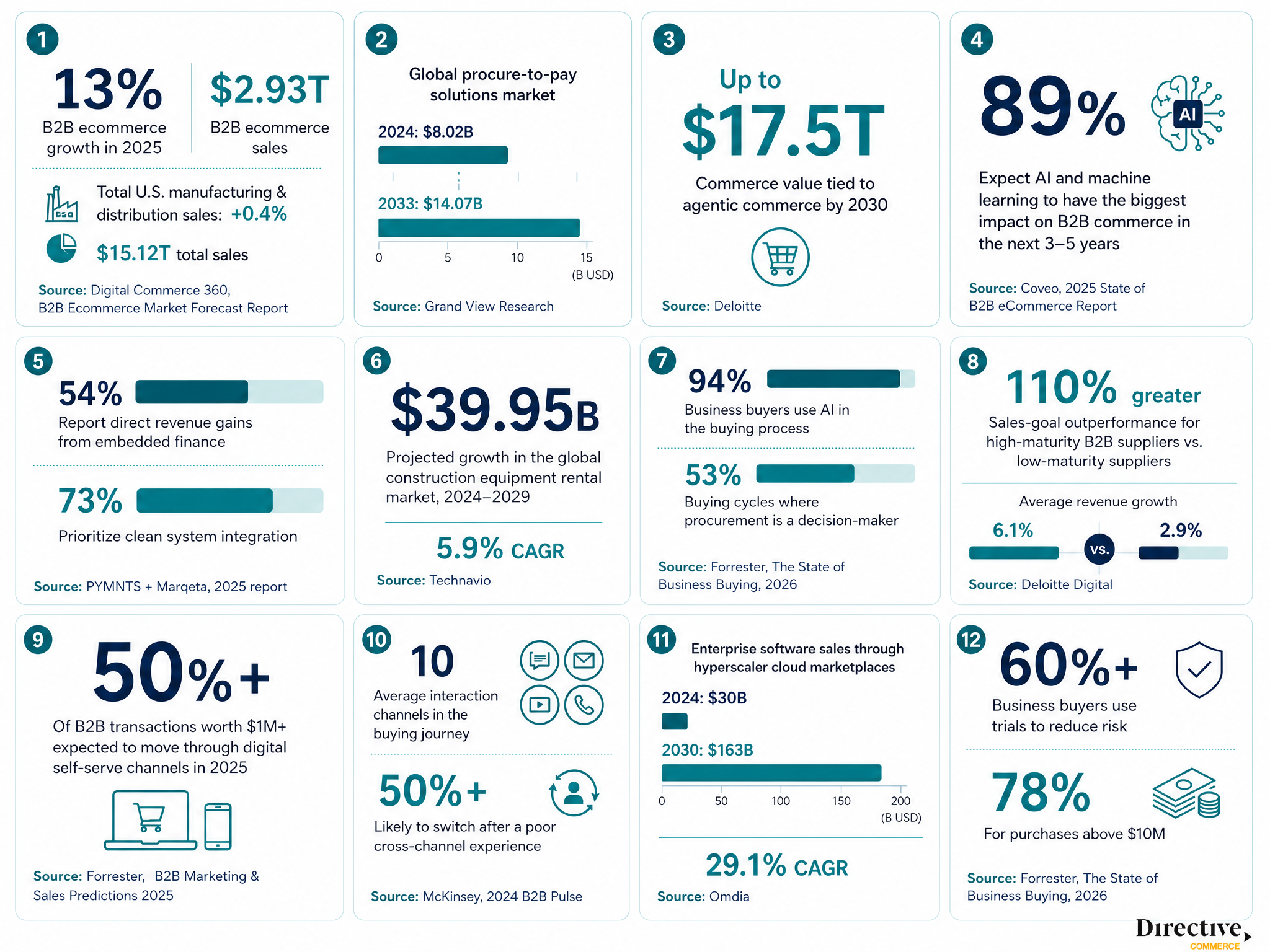
B2B marketplace trends, statistics, and benchmarks at a glance:
1. Digital Commerce Is Still Outgrowing Overall B2B Sales
B2B ecommerce is gaining share because buyers want faster, more visible ways to purchase.
Digital Commerce 360 reported that:
- B2B ecommerce 13% and reached $2.93 trillion in 2025, even as total U.S. manufacturing and distribution sales were nearly flat (rose only 0.4%).
- U.S. manufacturing and wholesale distribution sales reached $15.12 trillion in 2025.
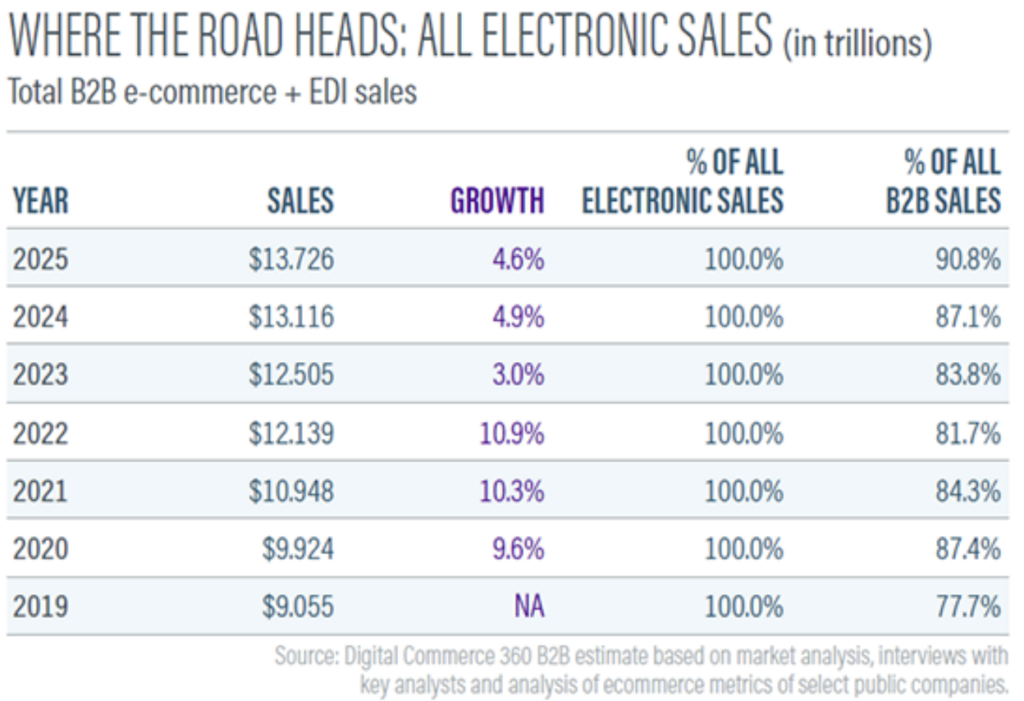 (Image source: Digital Commerce 360)
That gap matters. Buyers are not just moving more orders online. They are changing which channels feel easiest to use.
2. Marketplaces Are Becoming Sourcing Workflow Hubs
The strongest marketplaces are moving beyond product search. They help buyers source, compare, approve, purchase, and track decisions in one place.
That shift mirrors broader investment in procurement workflow technology. Grand View Research estimated the global procure-to-pay solution market at $8.02B in 2024, with projections reaching USD 14.07 billion by 2033.
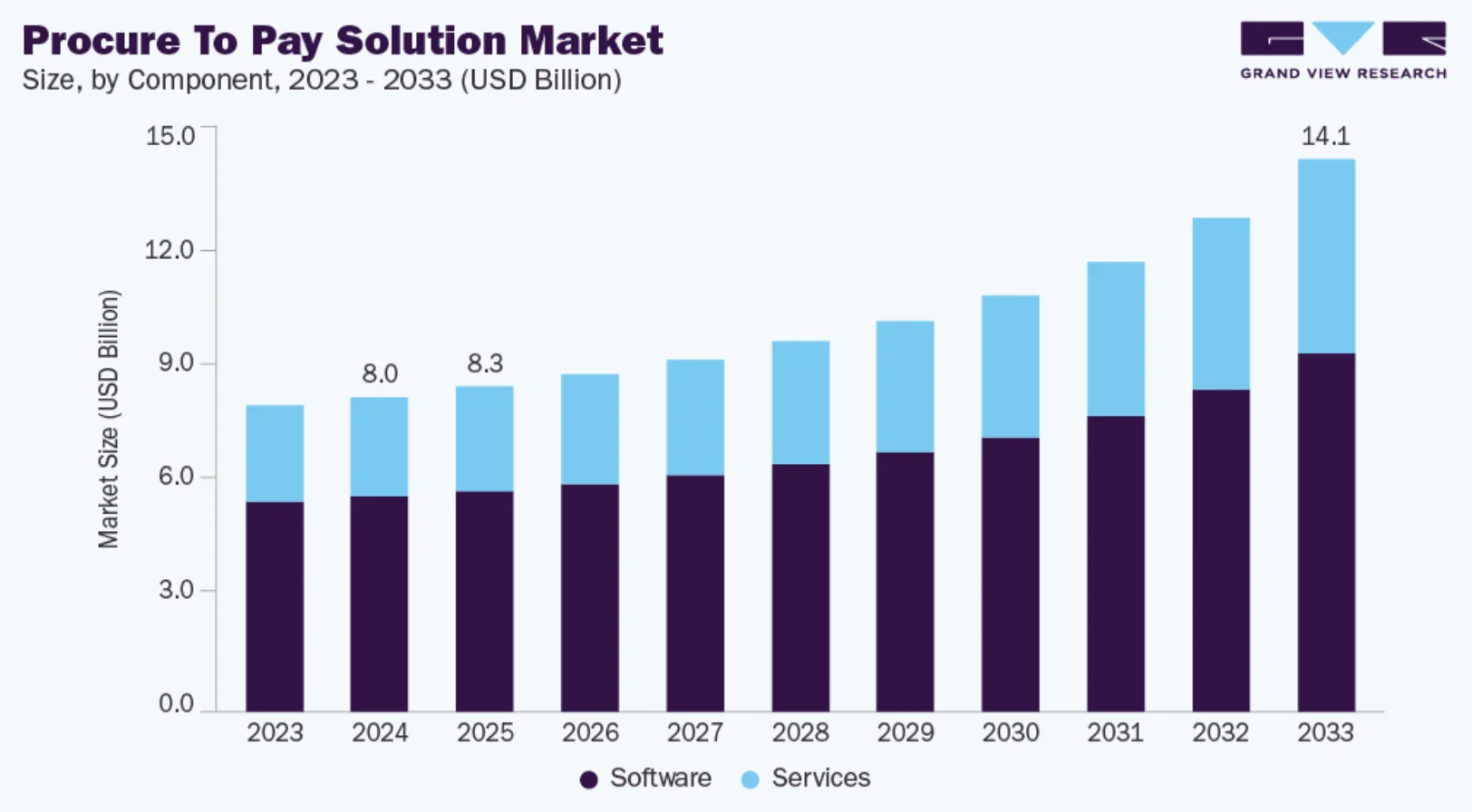 (Image source: Grand View Research)
Marketplaces that support sourcing workflows become harder to replace. Buyers return because the platform stores the context behind the purchase, not just the products available.
For inspiration on how strong digital buying experiences are built, these B2B ecommerce site examples can help teams evaluate what buyers now expect.
2. Agentic Commerce Is Pushing Marketplaces Toward Infrastructure
Agentic commerce is the next pressure point.
Deloitte estimates that agentic commerce could drive up to $17.5 trillion in commerce by 2030. These systems can make decisions and execute transactions on behalf of users or organizations.
For B2B marketplaces, that changes the job. Product data, pricing, availability, payment rules, and supplier trust signals need to be readable by humans and machines.
This is where AI-driven procurement intelligence becomes more than a feature. It becomes part of how buyers evaluate, shortlist, and act.
4. Supplier Data Quality Is Becoming a Trust Signal
Bad supplier data slows every part of the buying process across the marketplace. It makes product comparison harder. It weakens search results. It makes AI recommendations less reliable.
Coveo’s 2025 State of B2B eCommerce Report found that 89% of B2B practitioners expect AI and machine learning to have the greatest impact on B2B commerce over the next 3 to 5 years.
That only works if product and supplier data are clean enough to support the buying journey.
5. Embedded Payments Are Moving Closer to Marketplace Value
Payments are becoming part of the marketplace experience. PYMNTS and Marqeta 2025 report found that:
- 54% of B2B platforms report direct revenue increases from implementing embedded finance capabilities.
- 73% prioritize clean integration with their own systems when adding or improving embedded finance.
That matters because B2B buying depends on more than a checkout button. Buyers may need terms, invoice workflows, approvals, settlement clarity, or financing.
Marketplaces that handle more of that process reduce buyer effort. They also create more reasons for buyers and suppliers to stay.
6. Vertical Marketplaces Are Moving Into More Complex Categories
Vertical marketplaces are gaining attention because broad platforms often miss category depth.
- Digital Commerce 360 reported that new B2B marketplaces launched or expanded in early 2026 across construction materials, equipment rental, and data center infrastructure. These are sectors where sourcing has often stayed fragmented and offline.
- Construction equipment is a good example of why vertical marketplace models are attractive. Technavio forecasts that the global construction equipment rental market will grow by $39.95B from 2024 to 2029, at a 5.9% CAGR.
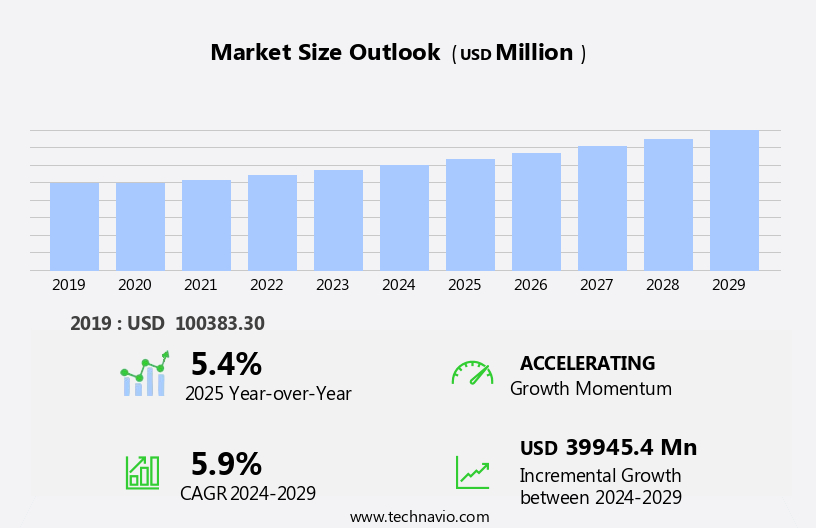 (Image source: Technavio)
That is a clear signal. Marketplace growth is moving into heavier, more complex categories where buyers need better sourcing tools.
7. Buyers Are Using AI Earlier, but Trust Humans for Final Validation
AI is becoming part of early B2B research. But buyers still need trust before they commit.
Forrester’s 2026 State of Business Buying research found:
- Generative AI searches are becoming a starting point for B2B buyers.
- Nearly all business buyers 94% report using AI during their buying process.
- Buyers compensate for unreliable information by seeking validation from trusted sources.
That creates a new marketplace requirement. Platforms need clear supplier proof, credible content, reviews, and human validation paths.
8. Procurement Is Entering Decisions Earlier
Procurement is no longer just a final approval function.
In the same report, Forrester found that procurement professionals are decision-makers in 53% of business buying cycles and often engage from the start.
That changes marketplace expectations. Procurement teams need clear terms, pricing, risk signals, compliance details, and supplier documentation earlier in the journey.
These shifts align with broader modern B2B buyer trends, in which more stakeholders influence buying decisions before sales ever get involved.
9. Digital Maturity Is Widening the Performance Gap
Digital maturity is becoming a performance divider.
- Deloitte Digital found that high-maturity B2B suppliers beat annual sales goals by a 110% greater margin than low-maturity suppliers.
- Digital Commerce 360 also quoted Deloitte Digital, which reported that high-maturity suppliers averaged 6.1% revenue growth, compared with 2.9% for low-maturity firms.
The point is not just digital spend. Mature suppliers connect channels, data, sales processes, and customer experience.
10. Self-Service Buying Expectations Keep Rising in Complex Categories
Self-service is moving into larger and more complex purchases.
- Forrester’s B2B Marketing & Sales Predictions 2025 states that more than half of B2B transactions valued at $1 million or more will move through digital self-serve channels in 2025.
- According to McKinsey’s 2024 B2B Pulse, B2B customers use an average of 10 interaction channels. Buyer preferences also split across in-person, remote human, and digital self-service interactions. Over 50% said they are likely to switch if they don’t have a smooth experience across channels.
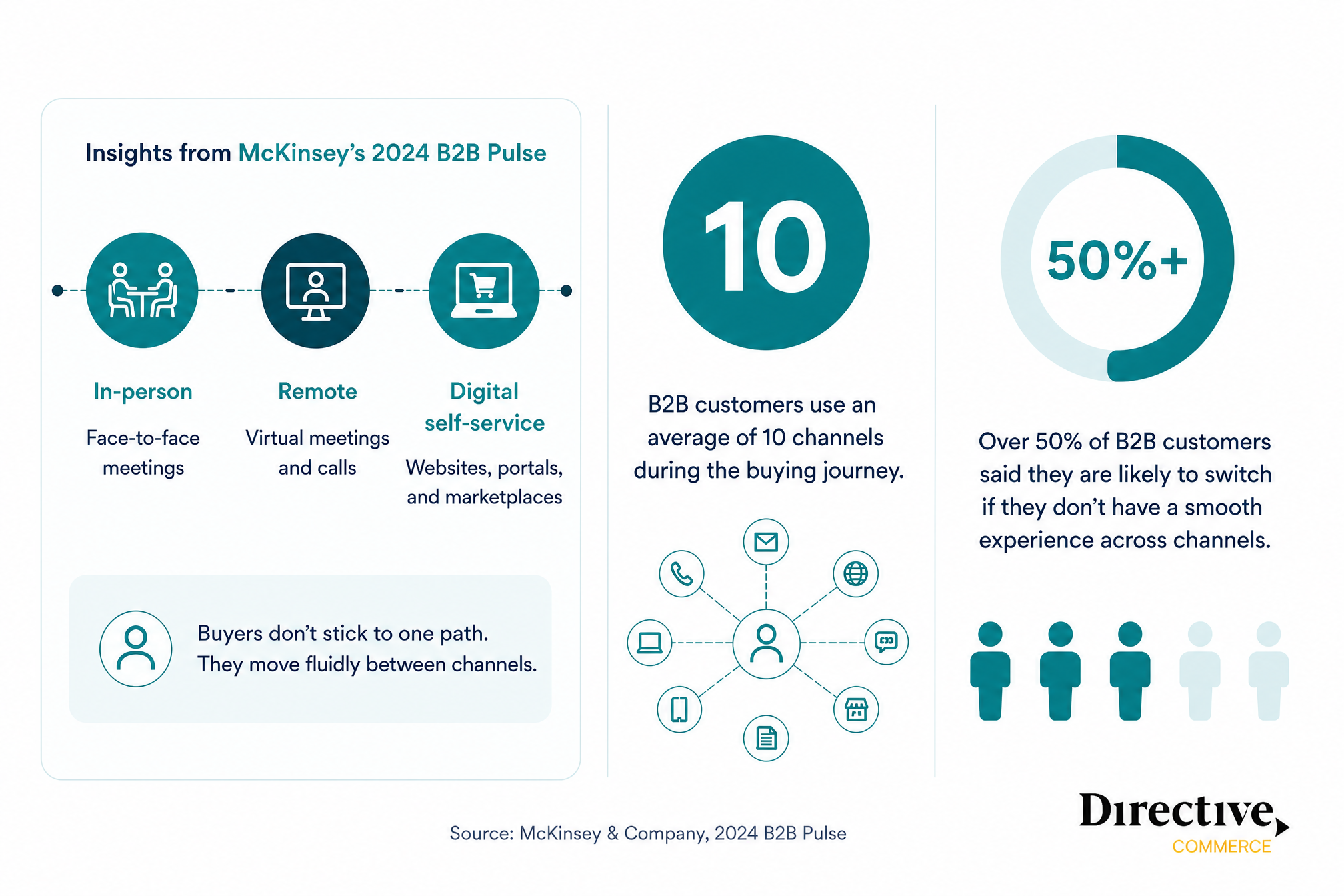
That means self-service does not replace every human touchpoint. It raises the bar for when human support adds value.
11. Marketplace Channels Are Becoming Strategic Routes to Market
Marketplace growth is no longer limited to broad product directories or simple ecommerce catalogs. In software, hyperscaler marketplaces are becoming a major channel for enterprise buying.
Omdia global research projects enterprise software sales through hyperscaler cloud marketplaces will grow from $30B in 2024 to $163B by 2030, with a 29.1% CAGR from 2025 to 2030. That growth is being driven by enterprise procurement adoption and rising sales of agentic AI.
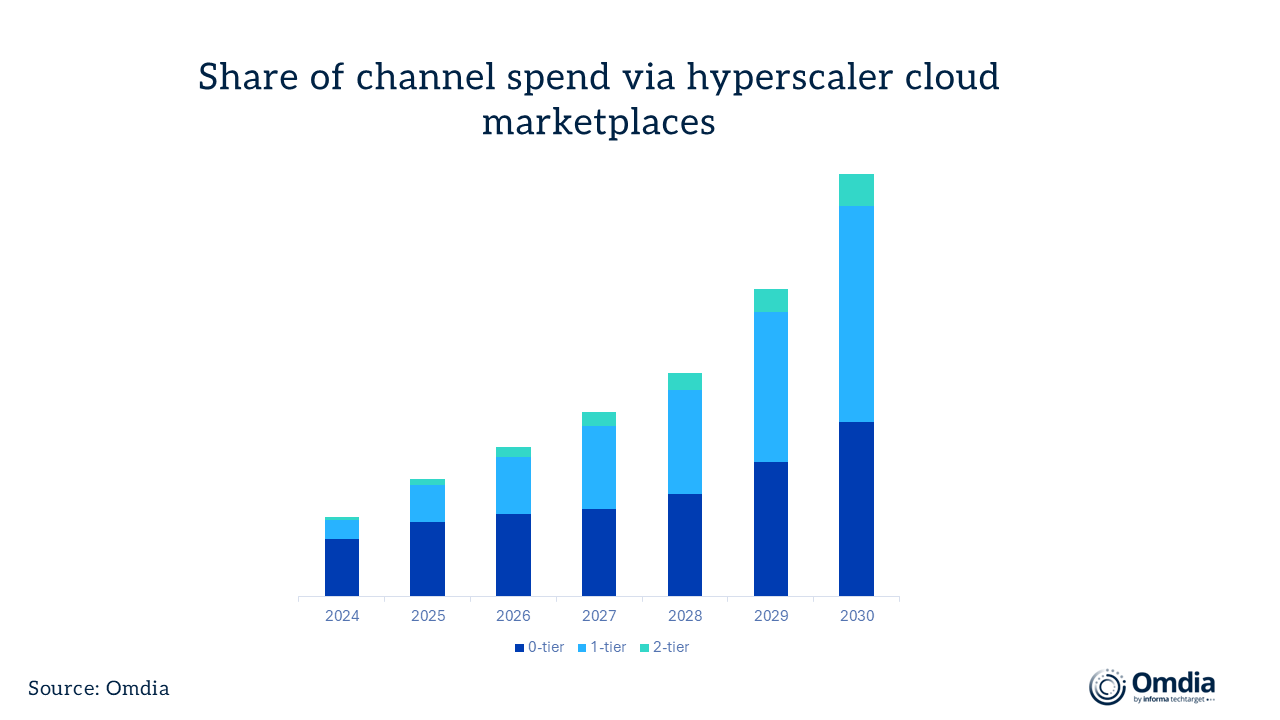 (Image source: Omdia)
For sellers, this changes channel strategy. Buyers may choose the marketplace that fits their procurement process, cloud commitment, budget model, or category need.
12 Marketplace Operators Are Competing on Trust, Not Just Assortment
Assortment is easier to copy than trust. Buyers need to know whether suppliers are verified, terms are clear, payments are safe, and fulfillment will work.
Forrester’s State Of Business Buying, 2026, also found that more than 60% of business buyers use trials to reduce risk. That rises to 78% for purchases above $10 million.
Marketplaces can apply the same logic. They need ways for buyers to validate suppliers, test fit, and reduce uncertainty before committing.
What These B2B Marketplace Updates Mean for Buyers and Sellers
These updates point to one clear shift: marketplaces are becoming operating environments for B2B buying.
Buyers want less friction. Sellers need better data and clearer positioning. Operators need to support more of the process around the transaction.
| Audience | What Changes | What to Prioritize |
| Buyers | More sourcing options, AI support, and self-service workflows | Supplier validation, procurement fit, and risk control |
| Sellers | More competition inside and across marketplace channels | Cleaner product data, sharper positioning, and stronger proof |
| Operators | More responsibility for sourcing, payments, trust, and fulfillment | Category depth, workflow speed, and buyer confidence |
For sellers, the biggest risk is becoming interchangeable. A strong B2B marketplace positioning strategy helps clarify why buyers should choose you when similar options appear side by side.
Marketplace participation is no longer just a distribution choice. It is a positioning choice, a data choice, and a buyer experience choice.
How Marketplace Leaders Should Respond to 2026 Industry News
The next 2 quarters should focus on the parts of the marketplace experience that buyers value most.
Use this checklist to prioritize the work.
Catalog and Supplier Data
- Are product records complete, current, and easy to compare?
- Can buyers filter by the attributes that matter in your category?
- Are supplier credentials, reviews, or verification signals visible?
AI and Procurement Readiness
- Can AI tools understand your product, pricing, and terms data?
- Does your marketplace support sourcing workflows, not just search?
- Can procurement teams compare options without leaving the buying flow?
Payments and Transaction Experience
- Do buyers have flexible payment options, terms, and clear settlement details?
- Are checkout, approvals, invoicing, and documentation easy for repeat purchases?
Category and GTM Focus
- Are you prioritizing categories where buyers feel the most friction?
- Can sellers explain why they deserve attention inside your marketplace?
- Are you measuring marketplace performance by qualified demand, not just listings?
B2B SaaS marketplace trends follow the same pattern. Buyers reward platforms that make evaluation, proof, and purchasing easier.
Turn Marketplace Shifts Into a Stronger Growth Strategy With Directive
Marketplace shifts change how buyers compare options, who enters the decision, and what proof sellers need.
That affects the GTM strategy. Teams need sharper market clarity, stronger positioning, and demand programs tied to real buying behavior. They also need to know which signals matter now, not which metrics looked good last year.
Customer Generation connects those decisions to the pipeline and revenue.
For marketplace operators and sellers, that means building a strategy around the buyers most likely to move, the proof they need, and the channels they trust.
If your team is planning around marketplace shifts, your GTM model should account for AI-led research, procurement involvement, payment expectations, and category-level competition.
Explore how Directive can help you build a B2B go-to-market strategy that reflects how business buyers actually source, compare, and purchase.
See our work, or even better, book a demo.
B2B Marketplace News FAQs
What Is the Biggest B2B Marketplace Trend in 2026?
The biggest trend is the move from marketplace listings to buying infrastructure. AI, supplier data, embedded payments, and procurement workflows are making marketplaces part of how companies source and purchase.
How Is AI Changing the B2B Marketplace Industry News This Year?
AI is changing how buyers research suppliers, compare options, and prepare for procurement review. It also raises the importance of clean product data, clear proof, and marketplace systems that AI can read.
Why Are Vertical Marketplaces Getting More Attention Now?
Vertical marketplaces are gaining attention for their depth in categories. In complex sourcing environments, buyers often need specialized suppliers, richer product data, and workflows built for their industry.
Are Embedded Payments Now Essential for B2B Marketplaces?
Embedded payments are becoming more important as marketplaces handle more of the buying process. Payment options, terms, invoicing, and settlement can all affect buyer confidence and repeat use.
What Should Sellers Watch in B2B Marketplace Updates?
Sellers should watch data quality, platform fit, pricing clarity, trust signals, and procurement alignment. The easier it is for buyers to compare and validate your offer, the stronger your marketplace position becomes.